
PEP Annual Assessment Requirements: A Parent-Friendly Guide
Are you a homeschooling parent managing Florida’s Personalized Education Program (PEP)? If so, staying on top of PEP Annual Assessment Requirements is critical. Standardized testing isn’t just a checkpoint; it’s a key step to securing ongoing scholarship funds and ensuring your child’s academic journey meets Florida’s regulations. In this guide, you’ll learn why these requirements exist, how to fulfill them stress-free, and which resources can help you navigate the process successfully.
1. What Are PEP Annual Assessment Requirements?
Under Florida law, the Personalized Education Program (PEP) is a flexible scholarship route for students who aren’t enrolled full-time in a traditional private school. This program allows parents to tailor their child’s education using scholarship funds for part-time courses, tutoring, and more. However, these freedoms come with a non-negotiable rule: PEP Annual Assessment Requirements.
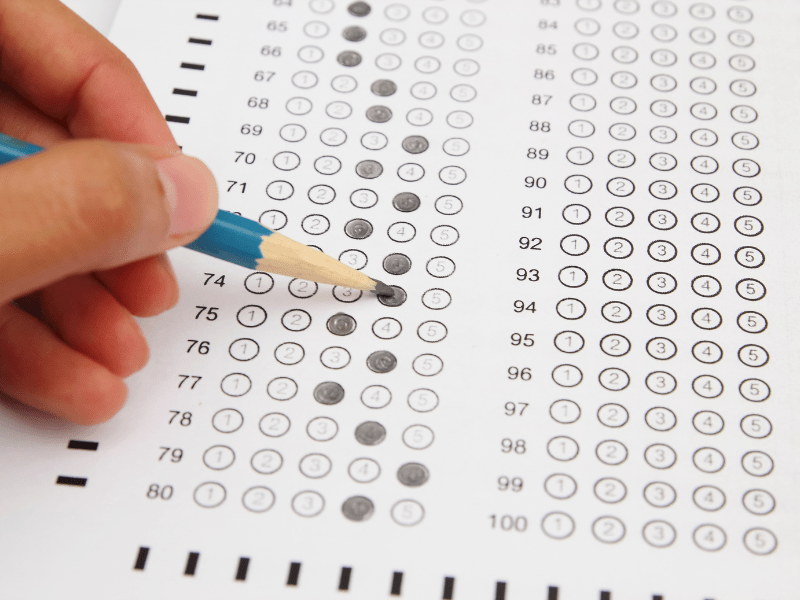
This essentially means each student must take a FLDOE-approved standardized or nationally norm-referenced test each year and submit the scores to Step Up For Students. Unlike other Florida scholarship programs—like the Florida Tax Credit (FTC) or Family Empowerment Scholarship (FES-EO)—PEP participants have to manage their own annual testing to remain eligible.
If you’re brand new to this type of setup, Homeschool Florida: Your Ultimate How-to Guide provides a great overview of how Florida homeschooling laws intersect with scholarship programs like PEP.
2. Why PEP Annual Assessment Requirements Matter
You might be wondering why Florida insists on standardized tests for PEP students. Here are three key reasons:
- Scholarship Compliance: Meeting the requirements is essential for securing ongoing funding. If you miss the testing deadline, you risk losing some or all scholarship benefits for the following year.
- Progress Measurement: Annual assessments provide a snapshot of your child’s academic strengths and weaknesses. This data helps you fine-tune your curriculum and educational choices for the next year.
- Educational Accountability: Because PEP students have so much freedom, the state relies on standardized assessments to ensure families are using scholarship dollars effectively. It’s a quality check that benefits families, educators, and taxpayers alike.
For a broader look at compliance matters, check out Homeschool Requirements in Florida: A Practical How-to Guide. While it may not be PEP-specific, it highlights the legal frameworks that keep families on track.
3. How to Meet PEP Annual Assessment Requirements
Complying with PEP Annual Assessment Requirements is simpler than it sounds. You have three main testing paths:
A. Nationally Norm-Referenced Tests
Well-known options include the Stanford Achievement Test and the Iowa Test of Basic Skills. These tests measure your child’s performance against a broader national average, giving you context for their progress. Test fees may be covered under “standardized testing fees,” which is an authorized use of scholarship funds, as noted in How to Use Florida Scholarship Funds Legally.
B. Florida Statewide Assessments
Some PEP families prefer the same statewide exams public-school students take. This choice can offer continuity and facilitate an easy transition if your child ever goes back to a public school setting. You’ll need to coordinate with your local district or an eligible private school to schedule the exams.
C. Alternative Approved Assessments
As long as your assessment is FLDOE-approved and norm-referenced, you can likely use it to satisfy the PEP Annual Assessment Requirements. Double-check the list of approved tests on the Florida Department of Education website to avoid invalid submissions.
4. Submitting Scores: Fulfilling PEP Annual Assessment Requirements
After your child completes the test, you must provide the results to Step Up For Students. Here’s how:
- Gather the Right Documentation
Ensure the report shows your child’s name, test date, and score details. Incomplete documentation could lead to a delay or rejection of your submission. - Upload to EMA
Log in to your Education Market Assistant (EMA) account and follow the instructions to upload or input the test scores. Keep an eye on any deadlines that Step Up For Students outlines via email or on their portal. - Mind the Calendar
Most families must submit scores by January 15 to receive 100% funding for the next school year. Missing this deadline could knock your funding down to 50% or eliminate it entirely. - Submission Must Be by Parent
The rules specify that schools or curriculum providers can’t submit for you. As a PEP parent, you hold this responsibility to comply with the requirements.

5. Frequently Asked Questions About PEP Annual Assessment Requirements
Q: Are K–2 Learners Included?
While Florida’s statewide focus is often grades 3–10, PEP technically spans K–12. If you have a younger child, confirm whether a specific test is required. If you’re dealing with a kindergartner, Kindergarten Homeschool: Is Kindergarten Optional for Homeschoolers? might answer some of your questions.
Q: What if My Child Has Special Needs?
Students with documented disabilities may be exempt from certain assessments. Consult with Step Up For Students or the FLDOE for official guidance. Additionally, specialized advocacy groups like HSLDA can offer personalized support.
Q: How Soon After the Test Should I Submit Scores?
As soon as you receive official results, upload them to EMA. Waiting too long risks overlapping with the January cut-off and jeopardizing full funding.
Q: Do I Need Extra Tests if I Switch Scholarship Types Mid-Year?
In many cases, the same standardized test can count toward your child’s academic documentation. Keep your results on file for potential cross-checking, especially if you’re switching from PEP to a full-time private school or another scholarship.
6. Extra Resources for Florida Homeschoolers
Staying informed helps minimize stress. Along with the FLDOE website, here are some resources to guide you through PEP Annual Assessment Requirements and beyond:
- Homeschool Requirements in Florida: A Practical How-to Guide – Explains broader legal expectations for Florida homeschoolers, giving context for PEP.
- College Board – For older students looking at SAT or AP tests, which can sometimes fulfill advanced academic requirements or demonstrate competency.
These resources, combined with your PEP guidelines, will set you on the path to fulfilling all compliance checks without unnecessary anxiety.
7. Enroll in Our Homeschool Online Classes
Ready to streamline your child’s academic journey? Consider enrolling in one of our homeschool online classes—specifically designed with Florida’s scholarship requirements, including PEP Annual Assessment Requirements, in mind.
Sign up for a homeschool online class today and empower your child with engaging courses that mesh seamlessly with Florida’s unique homeschool landscape. Together, we’ll ensure your family meets every PEP requirement while enjoying an enriching, flexible educational experience.

Final Thoughts
Adhering to PEP Annual Assessment Requirements may feel like one more item on your homeschooling to-do list, but it also serves as a helpful academic checkpoint for your child’s progress. These tests validate that your scholarship dollars are put to good use—boosting your confidence in the Personalized Education Program and giving Florida the assurance it needs to keep the funds flowing.
By choosing an approved exam, scheduling it well in advance, and accurately submitting your child’s scores through EMA, you’ll maintain scholarship eligibility and reinforce your commitment to a quality education. In the end, these assessments benefit your family by identifying areas of strength and growth, ensuring a well-rounded learning journey for your PEP student.