
IEP Homeschool Florida: What Happens to My Child’s IEP If They Return to Public School?
If you’re exploring IEP Homeschool Florida, you might be wondering what happens if you decide to re-enroll your child in public school. After all, an Individualized Education Program (IEP) is a legal document that outlines specific accommodations, services, and goals for students with unique learning needs. But does that IEP simply reactivate when your child returns to public school in Florida, or do you need to start the process from scratch? In this post, we’ll tackle these questions head-on, so you can plan confidently for your child’s next steps.
IEP Homeschool Florida: Understanding the Basics
An IEP (Individualized Education Program) is established under the Individuals with Disabilities Education Act (IDEA). Public schools in Florida must provide appropriate services for qualifying students. When you opt for IEP Homeschool Florida, you’re essentially stepping out of the public school system’s direct services. However, the IEP doesn’t vanish; it becomes inactive in the public school’s records until you re-enroll your child.
If you’re new to homeschooling or want more details, feel free to check out these resources on our website:
- Homeschool Florida: Your Ultimate How-To Guide
- Homeschool Requirements in Florida: A Practical How-To Guide
- How to Get a Step Up Scholarship for Florida Homeschoolers
For official information about IDEA, you can also visit the U.S. Department of Education’s IDEA website. And to learn more about how special education is managed in Florida specifically, see the Florida Department of Education’s Exceptional Student Education resources.
Why Homeschooling Parents Choose an IEP
How does an IEP work for homeschool kids? Generally, while homeschooling in Florida, you won’t receive the same public school services outlined in the IEP. Some districts may offer partial services or resources upon request, but this can vary widely. The advantages of homeschooling with an IEP in mind include:
- Customized Curriculum: You can tailor lessons to meet your child’s unique needs.
- Flexible Schedule: Adapt pacing or lesson plans based on your child’s progress.
- One-on-One Attention: Provide individualized support without a large classroom setting.
On the flip side, you may need to arrange private therapies or specialized support services because the district is no longer obligated to provide them once your child is unenrolled.
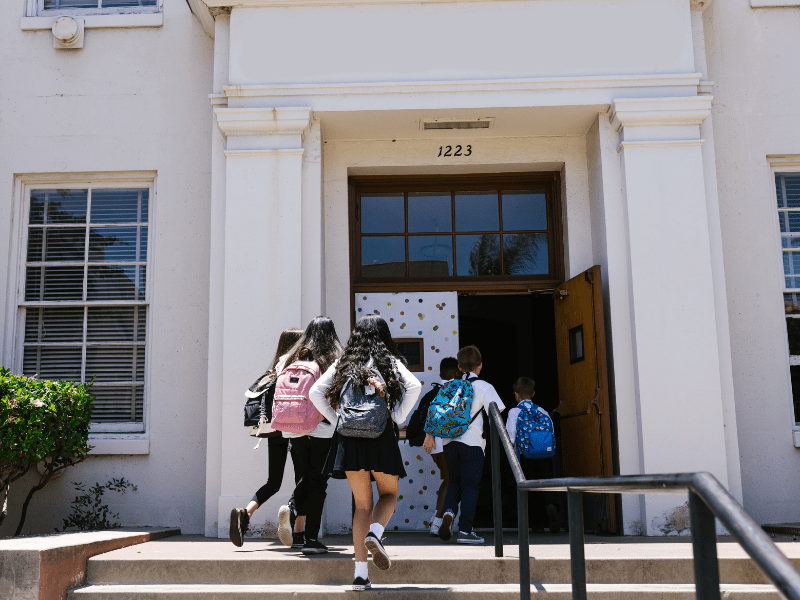
Returning to Public School with an IEP in Florida
The big question often is: What happens to my child’s IEP if they return to public school? Here’s the usual process:
- Contact the School
When you re-enroll your child, inform the school about the existing IEP. They’ll likely request any past documentation you have, including the most recent IEP and any homeschool records of progress or evaluations. - IEP Team Meeting
Schools in Florida will hold a meeting with an IEP team—this can include teachers, special education coordinators, a school psychologist, and you (the parent).- Review the Previous IEP: The team will examine the old IEP to understand your child’s last documented goals and services.
- Assess Current Needs: Since your child has been homeschooled, the school may require updated assessments to gauge academic levels and any changes in needs.
- Re-Evaluation for IEP Services
Under IDEA, re-evaluations typically occur every three years or sooner if new concerns arise. Because you’ve been homeschooling, the school might initiate a fresh evaluation to see what accommodations or services your child currently requires. - Develop or Revise the IEP
Once they’ve assessed your child’s needs, the team will either create a new IEP or revise the old one. This will detail specific services (like speech therapy, occupational therapy, or academic interventions) and any classroom accommodations. - Implementation in the Classroom
After the IEP is finalized, teachers and support staff will begin using these strategies daily. You can stay updated by requesting progress reports or scheduling follow-up meetings.
Potential Challenges When Returning to Public School
- Curriculum Gaps or Overlaps: Homeschool curricula may differ from public school programs, causing either gaps or advanced comprehension in certain areas.
Tip: Ask for placement tests to ensure your child is placed at the correct level. - Documentation Shortfalls: If you haven’t kept detailed records during homeschooling, the school may have limited info on your child’s progress.
Tip: Provide any samples of work, tests, or therapy records you have. If none are available, be prepared to allow additional evaluations. - Social and Routine Adjustments: Going back to a classroom environment can be a big shift for students used to one-on-one instruction at home.
Tip: Communicate any successful at-home strategies to the new teachers so they can replicate or adapt them.
IEP Homeschool Florida: Making the Transition Seamless
Here are a few ways to ensure a smooth move from IEP Homeschool Florida back to the public school system:
- Document Everything
Keep samples of academic work, any independent testing, or therapy reports to show the school how your child has progressed. - Stay Engaged
You are your child’s best advocate. Attend all meetings, share concerns, and suggest strategies that have worked at home. - Leverage Community Resources
Consult with local homeschool groups or special education advocates who can guide you through the re-enrollment process. Sometimes, other parents are the best resource! - Monitor Progress
Once your child is back in public school, observe how they adjust. If something isn’t working, request an IEP review. The plan can be changed at any time based on your child’s needs.
How Eaton Academic Supports IEP Homeschool Florida Families
At Eaton Academic, we understand the ins and outs of IEP Homeschool Florida. Whether you decide to continue homeschooling, transition to public school, or opt for a hybrid approach, we’re here to guide you every step of the way. Here’s what we offer:
- Expert Guidance: Our team can advise on creating a homeschool curriculum that aligns with IEP goals.
- Supplemental Online Classes: If you’re returning to public school but still want extra help or enrichment, we have flexible online classes to enhance your child’s learning journey.
- Community & Support: We connect you to a network of like-minded families who understand the challenges and rewards of homeschooling a child with special needs.
Add Helpful Resources for a Holistic View
- U.S. Department of Education’s IDEA Website – For more details on special education law and policy.
- Florida Department of Education’s Exceptional Student Education Resources – Official guidelines and updates on IEPs in Florida’s public schools.
Don’t forget to explore our own in-depth guides for additional tips and steps:
- Homeschool Florida: Your Ultimate How-To Guide
- Homeschool Requirements in Florida: A Practical How-To Guide
- How to Get a Step Up Scholarship for Florida Homeschoolers
Ready to Enhance Your Homeschool Experience?
Making the decision to return to public school or continue with IEP Homeschool Florida can be overwhelming, but you don’t have to navigate it alone. If you’re looking for structured lessons tailored to your child’s unique needs—or simply want expert advice—sign up for our homeschool online classes at Eaton Academic. Our supportive community, personalized approach, and commitment to your child’s success make all the difference.
Remember: Your child’s education is a journey, and every step—whether in a homeschool environment or public school—can be empowering when you have the right guidance and resources.