
How Do I Enroll in a Private School with FES-UA?
The Family Empowerment Scholarship for Students with Unique Abilities (FES-UA) offers a flexible way for homeschooling parents to partner with private schools while still directing their child’s education. If you’ve ever wondered, “How do I enroll in a private school with FES-UA?” you’re in the right place. This post will walk you through the basics of Enroll Private School FES-UA, including setting up your EMA account, deciding on part-time vs. full-time enrollment, and ensuring you follow Florida’s guidelines to the letter.
Why Families Enroll Private School FES-UA
For many homeschooling parents, fully educating a child at home is both rewarding and challenging. By choosing to Enroll Private School FES-UA, you merge the flexibility of scholarship funding with the benefits of supplemental classes, specialized services, or even a more structured learning environment for part or all of the week.
- Extra Support: Many families need speech therapy, a specific advanced subject teacher, or a more social environment for extracurriculars.
- Shared Responsibility: Homeschool parents can offload some instructional tasks (like AP-level classes or labs) to a private school with state-approved accreditation.
- Tailor-Made Education: FES-UA scholarships work like a bank account, enabling you to pay for only the classes or services that fit your child’s needs—be it a single course or a full daily schedule.
If you’re new to Florida’s homeschool regulations, you might also check out Homeschool Requirements in Florida: A Practical How-to Guide to ensure you’ve got the legal aspects of homeschooling squared away.
Step 1: Understand the Basics Before You Enroll Private School FES-UA
Before diving into the enrollment process, familiarize yourself with a few key points:
- Scholarship Eligibility
- Students qualify if they meet the unique-abilities criteria outlined by Florida law—often via an Individualized Education Program (IEP) or specific medical diagnosis.
- For further scholarship mechanics, see Florida FES-UA Scholarship: Everything You Need to Know.
- Selecting the Right Private School
- Not all Florida private schools are eligible to receive FES-UA funding. Confirm the school’s eligibility through the Florida Department of Education website or by calling them directly.
- Schools must be registered with the FLDOE and meet state requirements for scholarship participation.
- Tuition & Fees
- FES-UA can cover full-time private school tuition, part-time classes, or even specialized fees. However, non-essential charges—like lunches or fundraising—are off-limits for scholarship use. Double-check each item to avoid denials or out-of-pocket surprises.
To learn more about appropriate scholarship spending, check out How to Use Florida Scholarship Funds Legally.
Step 2: Setting Up EMA to Enroll Private School FES-UA
After deciding on a private school that welcomes FES-UA families, your next step is creating and managing an EMA (Education Market Assistant) account.
- Create Your EMA Account
- Typically, you’ll receive an invitation link once your student’s private school or Step Up For Students verifies eligibility.
- Follow the on-screen prompts to provide your email, phone number (able to receive verification codes), and other essential details. For a detailed guide, see How to Set Up an EMA Account for Florida Scholarships.
- Link Your Student
- If you already have an EMA login but haven’t connected your student’s FES-UA details, add them by entering the unique Award ID.
- Once the link is established, you can see your student’s scholarship “bank account” balance and begin to handle tuition invoices or reimbursements.
- Review Tuition & Fees
- The private school will submit a proposed tuition amount (and any mandatory fees) in EMA. You must approve or dispute these charges before a single penny is billed.
- If you’re enrolling part-time, the school will instead create a “service offering” for each class or extracurricular. You’ll confirm how many sessions or days per week your student attends.
- Invoice Approval
- With full-time enrollment, the school invoices you quarterly; for part-time classes, the timeline may differ.
- Always log into EMA periodically to confirm no unexpected invoices. Step Up For Students typically sends out funding on a scheduled basis—August, November, February, and April.

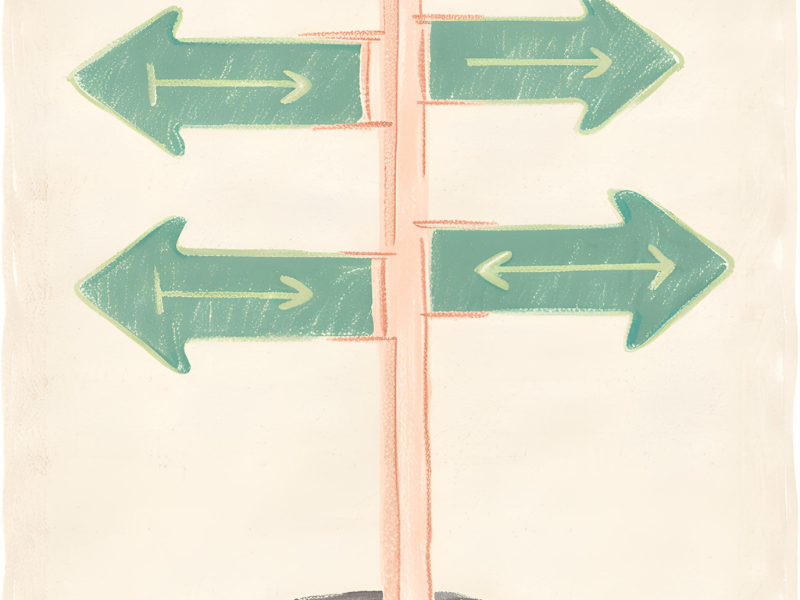
Step 3: Full-Time vs. Part-Time: How to Enroll Private School FES-UA
Deciding whether to fully switch to private schooling or only supplement your homeschool is a personal choice. However, the FES-UA scholarship can accommodate both:
- Full-Time Enrollment
- Your child attends the private school’s physical campus daily and follows its curriculum.
- Once you Enroll Private School FES-UA in a full-time capacity, the school will bill each quarter for tuition and fees until your scholarship funds are exhausted (or until you manually withdraw).
- Part-Time Enrollment
- Ideal for parents who want to remain the primary instructors but outsource specific classes.
- The school must set up each course or activity in EMA as an individual line item, letting you pick and choose.
- For instance, you might enroll your child just in science labs or a math class, using FES-UA to cover these fees.
To better visualize how partial enrollment can mesh with your overall schedule, you could explore the suggestions in Homeschool Florida: Your Ultimate How-to Guide—the time-management tips often transfer well to part-time private schooling.
Step 4: Billing, Reimbursements & Compliance: Essential for Those Who Enroll Private School FES-UA
Managing FES-UA scholarship funds is simpler when you keep track of a few crucial elements:
- Direct Billing via EMA
- The school charges the scholarship account directly, and you approve. This is the most hands-off approach for large tuition bills.
- Step Up For Students pays the invoice within seven business days once both parent and school confirm it.
- Pay, Then Reimburse
- Some families prefer paying out of pocket for smaller items (like a single class or a materials fee), then submitting reimbursement documents.
- Remember to keep itemized receipts or invoices to avoid denial. If you’re new to the process, Step Up Billing and Reimbursement for Homeschool Families is a handy resource.
- Staying Legal & Compliant
- Not everything is covered: lunches, optional field trips, or sports uniforms might be non-reimbursable.
- Access official details at the Florida Department of Education’s Private School Requirements or consult the Council for Exceptional Children if you need more insight into specialized services.
- Overpayments can occur if you switch schools mid-quarter or if your child doesn’t attend for the entire term. Step Up For Students may adjust future disbursements accordingly.
Step 5: Next Steps After You Enroll Private School FES-UA
Once your child is set up at a private school (be it full-time or part-time), you can still use any leftover FES-UA funds for tutoring, therapies, or other essential educational services. This broad coverage ensures your child’s unique abilities get consistent support—beyond the private school campus.
- Annual Assessments
- Private schools typically handle standardized testing for students in grades 3–10, unless your child qualifies for an exemption.
- Keep lines of communication open with the school to ensure you fulfill any assessment or reporting obligations.
- Keep an Eye on Enrollment Options
- If your child thrives with part-time classes, you might gradually increase your private school involvement. Conversely, if you prefer more homeschool autonomy, you can remain part-time or simply shift back to a full homeschool approach.
- Reevaluate Each Year
- As your child’s interests or academic needs evolve, reevaluate your approach to Enroll Private School FES-UA. You’re free to switch schools, withdraw, or re-enroll as your situation changes. For deeper compliance info, check Florida Scholarship Compliance: Next Steps, Transferring Schools, and Using Funds Properly.
External Resources for More Guidance
- EdChoice – Comprehensive research on school choice programs and data to help parents compare funding models across the country.
- Florida Department of Education – Official policies for private school participation, scholarship compliance, and updated guidelines at FLDOE School Choice.
- Council for Exceptional Children – Offers professional, research-based information on specialized instruction and best practices for unique learners.
Leveraging these resources, along with state-specific guidelines, ensures a smooth enrollment process and helps you get the most out of your scholarship.
Ready to Strengthen Your Child’s Education Journey?
Even if you Enroll Private School FES-UA for certain classes, your child may still benefit from additional online instruction to round out their homeschool day. We offer K–8 online classes tailored for homeschoolers, complete with interactive lessons and experienced instructors.
Sign up for a homeschool online class today!
Conclusion
Deciding to Enroll Private School FES-UA can be a fantastic way to customize your homeschool plan—especially if you crave expert teaching in specific areas or want to tap into extracurriculars. Setting up an EMA account is your gateway to managing tuition invoices smoothly, whether you opt for full-time or part-time enrollment. Meanwhile, by following Florida’s guidelines and confirming that each expense qualifies under the FES-UA scholarship rules, you can avoid compliance pitfalls.
Ultimately, the FES-UA program is all about flexibly supporting your child’s education. You can combine private school and homeschool in whatever blend best suits your family. With these steps, you’ll be well on your way to seamlessly integrating private school options into your FES-UA-funded homeschool plan—and empowering your child to thrive both academically and personally.